

Getting Started at Kilmore Quay Harbour
A beginner's guide to the charming fishing village with easy walking routes around the harbour and nearby coastal paths.
Essential advice on footwear, pacing, hydration, and weather considerations to make your coastal walks enjoyable and safe.

There's nothing quite like a morning stroll along the harbour. The sea air, the gentle rhythm of the waves, the fishing boats coming and going — it's restorative stuff. But we know it's not always straightforward. You want to get out there and enjoy it without ending the day with sore feet or an aching back.
The good news? With a few straightforward adjustments to how you prepare, you'll find these walks become genuinely comfortable. We're not talking about expensive gear or complicated routines. It's really about understanding what your body needs on a coastal walk and planning accordingly.
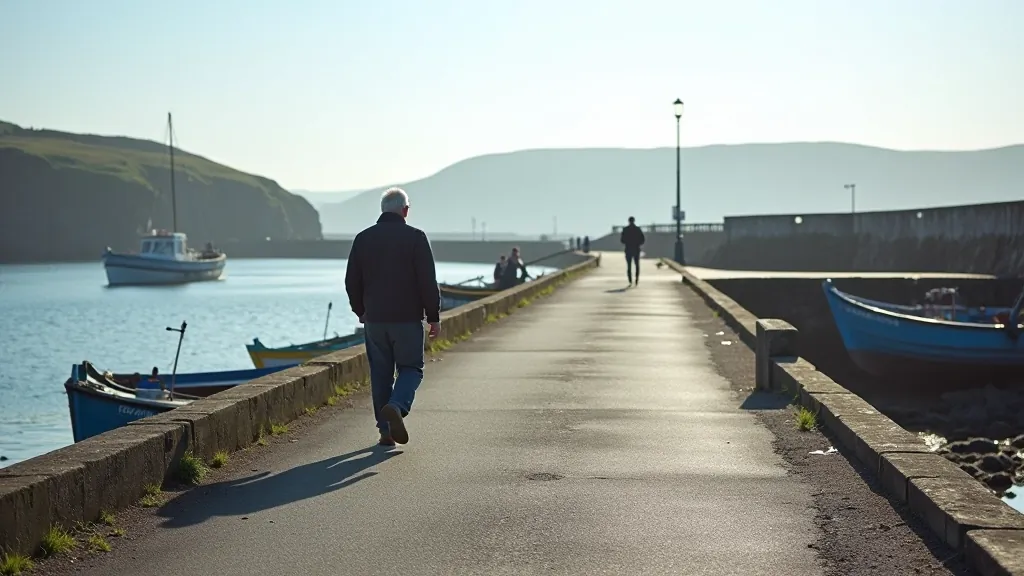
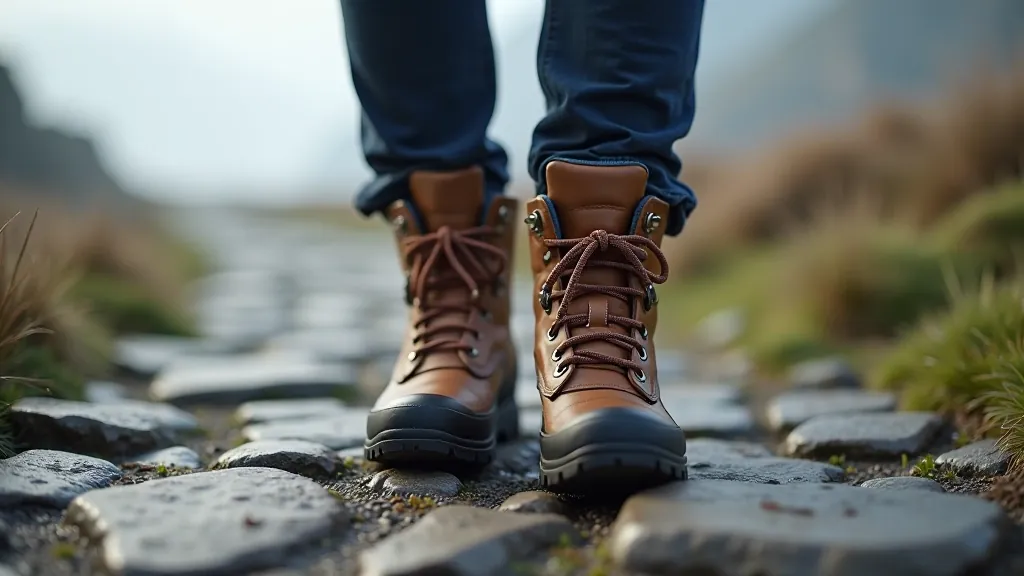
Your feet carry you the entire walk. So they deserve proper attention. Harbour paths aren't perfectly flat — there's uneven terrain, occasional slippery spots, and surfaces that shift. A proper walking shoe isn't just about comfort, it's about stability and confidence.
Look for shoes with a firm heel counter and good arch support. You'll want thick soles that cushion impact without being spongy. Waterproof is important too. We've seen too many people caught off guard by spray from the water or unexpected damp patches. Merrell, Salomon, or Keen are solid options — they're designed for exactly this terrain. Break them in first though. Don't start with a brand new pair on your harbour walk.
Socks matter more than most people realise. Merino wool keeps moisture away from your skin, even when it's damp. Cotton absorbs sweat and stays wet — you'll end up with blisters. Aim for a thickness that fills your shoe comfortably without bunching.

This isn't a race. Honestly, that's the biggest shift people need to make. You're not trying to cover distance quickly. You're out there to enjoy the harbour, notice things, maybe spot a seal or watch the fishermen work. A comfortable pace is one where you can chat without panting — if you're breathing hard, you've pushed too fast.
Build in stops. Bring a small backpack with water. The sea air is deceptive — it feels cool and fresh, so you don't realise how much you're sweating. By the time you notice you're thirsty, you're already slightly dehydrated. Drink small amounts regularly rather than waiting until you're parched. A 500ml bottle should do it for most walks around Kilmore Quay or the Saltee Islands viewpoint path.
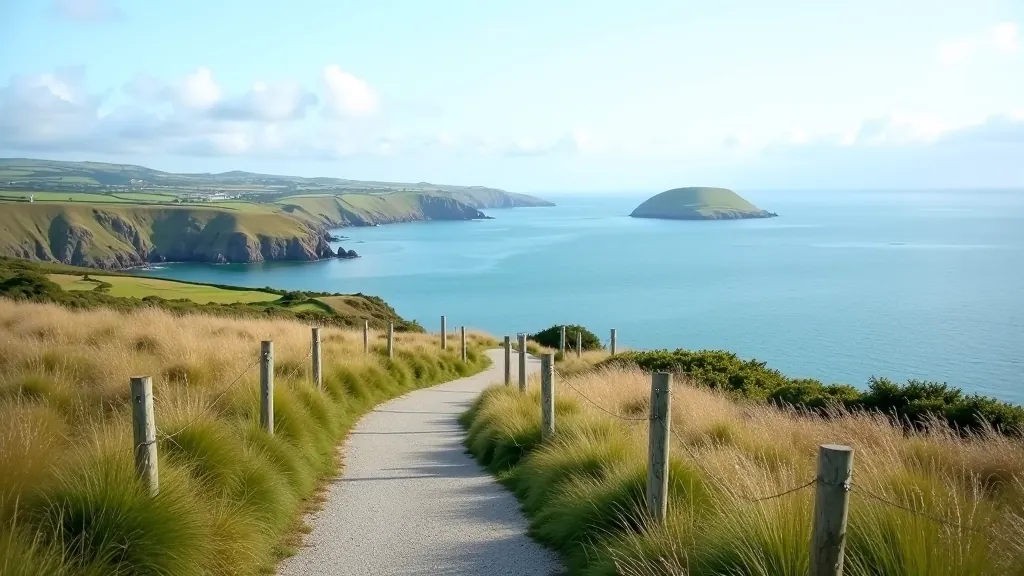
If you're doing the longer route to the viewpoint, that's roughly 5-6km depending on where you start. Plan for 90 minutes to two hours at a relaxed pace with stops. It's not about speed.
The information in this article is educational and meant to help you prepare for harbour walks. Everyone's physical needs are different. If you have existing health concerns, mobility issues, or haven't walked much recently, it's worth having a chat with your GP before starting any new walking routine. The harbour paths are accessible but uneven in places — assess the specific route beforehand to make sure it's right for you.
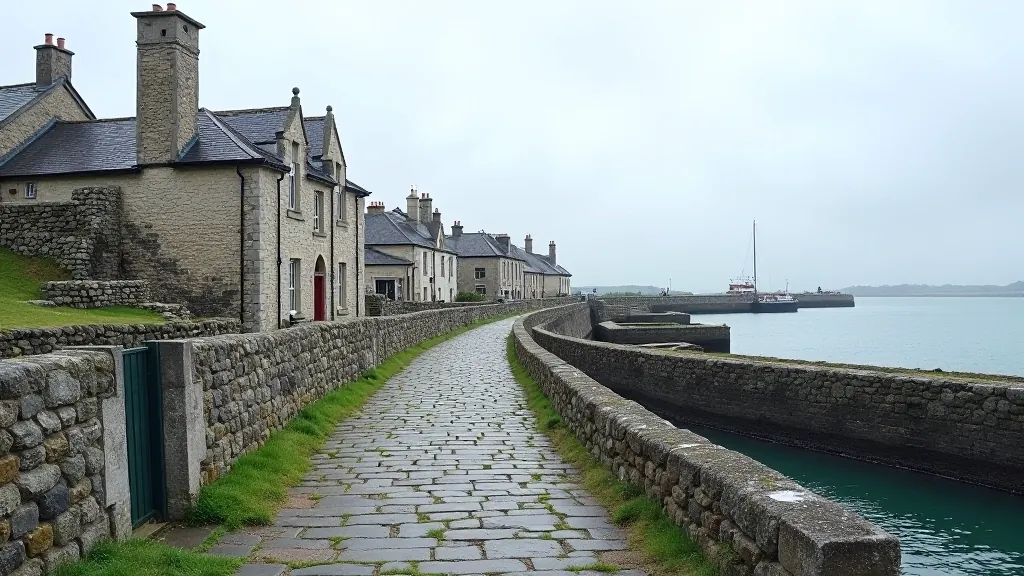
Coastal weather changes fast. You might start in sunshine and end up with cloud cover and a stronger wind. The harbour amplifies temperature shifts — it's always a few degrees cooler than inland. Layer your clothing. A base layer (merino wool again), a mid-layer fleece, and a windproof outer shell. That way you can adjust as you go.
A lightweight waterproof jacket is essential. Not a heavy rain jacket, just something packable that blocks wind and light spray. Most people end up carrying it rather than wearing it, but when you need it, you're grateful. A hat helps too — it reduces glare from the water and keeps the sun off your face. In winter, you'll want a warmer layer underneath.
Sunscreen matters even when it doesn't feel sunny. The water reflects UV rays, doubling your exposure. A good SPF 30 minimum applied 15 minutes before you start. Reapply after a couple of hours if you're out longer.
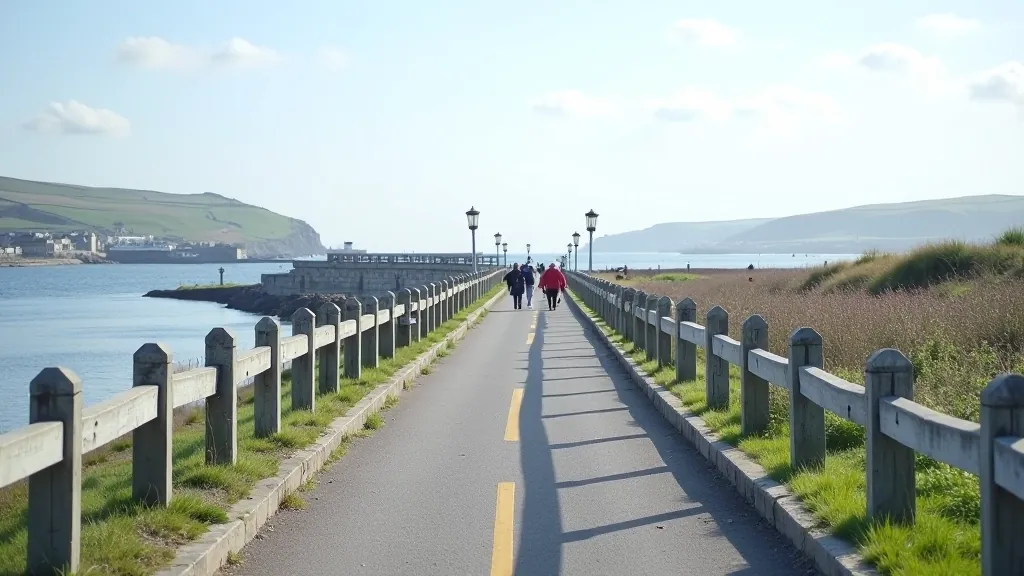
Know the path before you go. Walk the Saltee Islands viewpoint route once slowly in daylight. Notice where the uneven bits are, where it gets steep, which sections are exposed to wind. Second time round, you'll move with more confidence and won't be worrying about footing.
Bring a simple first aid kit. Blister plasters, pain relief, antihistamine for insect bites. A small torch on your keychain if you're ever out near dusk. Your phone obviously, but don't rely on signal — download maps beforehand if you're venturing beyond the main routes.
Tell someone where you're going and roughly when you'll be back. It sounds overly cautious, but it's sensible. Harbour walks are safe, well-used routes, but basic planning takes the worry out of it entirely.
If you've got joint concerns, walking poles genuinely help. They reduce impact on knees and ankles. Some people feel self-conscious about them, but honestly, everyone from athletes to grandparents uses them. They make walking easier, full stop.
These walks don't have to be strenuous or uncomfortable. You're not training for anything — you're out there to breathe salt air and clear your head. The right shoes, sensible pacing, proper hydration, and weather-appropriate clothing handle 95% of potential issues. Start with shorter routes. Build up to the longer viewpoint walk once you've got a feel for the terrain.
Kilmore Quay and the Saltee Islands paths are genuinely beautiful. You'll see fishing activity, wildlife, and some real character in the landscape. Take your time. Stop when you want. Bring a book and sit by the water for 20 minutes. That's what these walks are really about.