
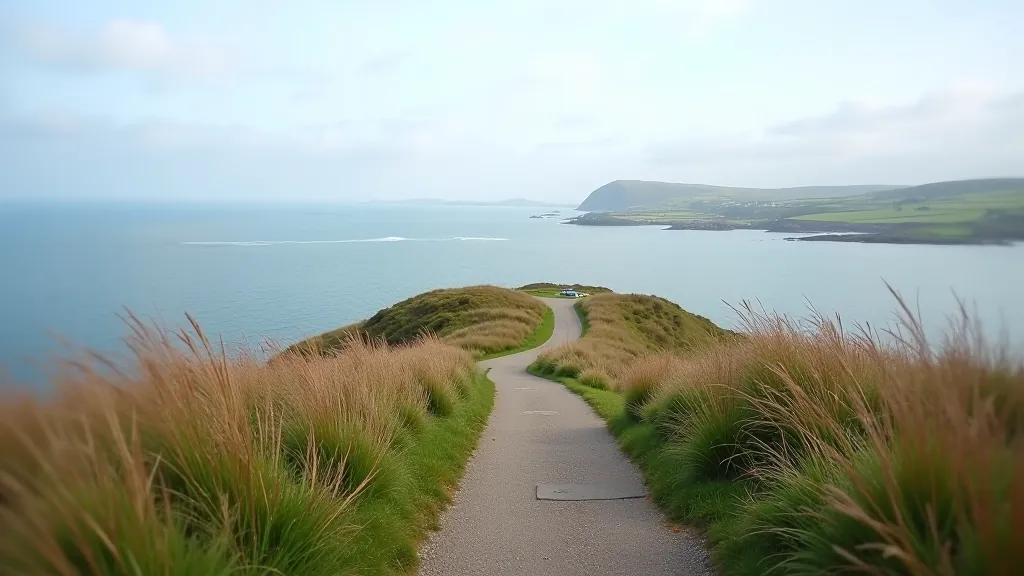
Saltee Islands Viewpoint Path — What to Expect
The complete route details for the scenic viewpoint walk with information about distance, elevation, and what you'll see from one of Wexford's finest coastal vantage points.
Your guide to exploring this charming working fishing village with easy walking routes around the harbour and traditional buildings

Kilmore Quay isn't complicated. It's a real working fishing village where you can wander at your own pace, stop whenever you want, and there's no pressure to cover any particular distance. The village sits on a sheltered inlet, so winds aren't usually dramatic, and the walking surface is mostly flat around the harbour itself.
What makes it special for people starting out with harbour walks? It's the combination of genuine maritime activity—you'll see working boats, nets drying, and fishermen going about their day—mixed with some beautiful older buildings and cafés where you can rest. You're not walking through a museum. You're walking through a place where people actually live and work.
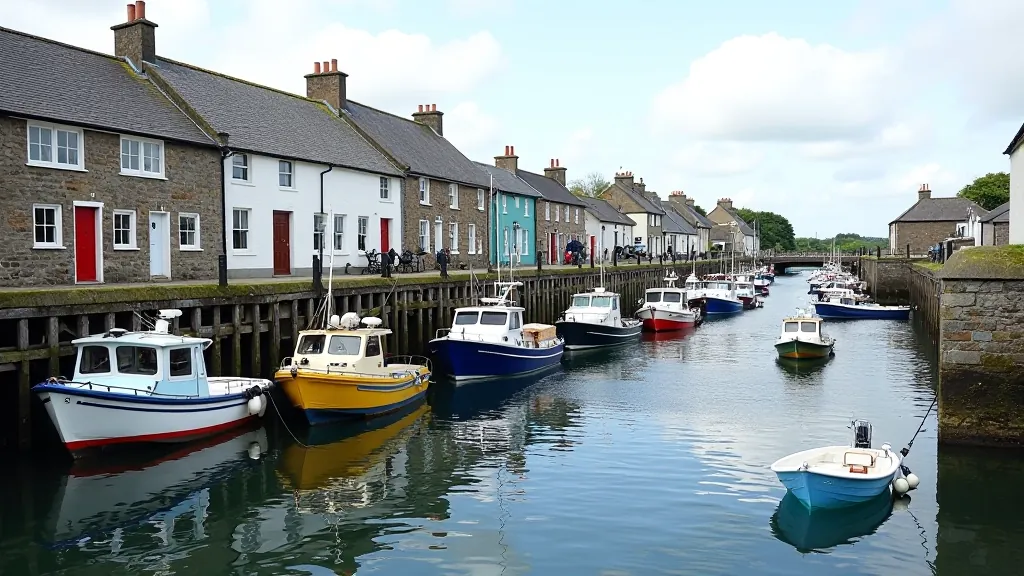

The main harbour walk at Kilmore Quay is roughly 1.2 kilometres in a loop. You're not walking the entire time—there's plenty of stopping points. The surface is a mix of footpath and gravel, which is firm underfoot and doesn't cause problems for most walkers. The elevation change is minimal. You'll gain maybe 15 metres over the whole route, and it's gradual, not steep.
Most people take 45 minutes to an hour doing the walk properly—pausing to look at boats, read the interpretation boards, maybe chat with locals. There's a car park right at the village entrance, which means you don't need to walk to get there. Public toilets are available near the visitor area, and there are two cafés where you can grab tea or something to eat.
Pro tip: Visit in late morning or early afternoon when the light's good and the café isn't too crowded. Weekdays are quieter if you prefer a more peaceful experience.
Timing matters more than you'd think. The harbour looks completely different depending on the tide and the light. High tide brings the water right up close to the buildings. Low tide exposes the mudflats, which changes the entire character of the place. Neither is better or worse—they're just different experiences. Check tide times before you go if you have a preference.
Wear comfortable walking shoes with good grip. The gravel path can be uneven in places, and you don't want to be worrying about your footing. Layers are essential because the coast gets windy even when the weather forecast says calm. A light waterproof jacket takes up almost no space in a bag and makes a real difference if a shower passes through.
Bring water. A litre bottle is plenty for this walk, but you'll be surprised how often you'll reach for it. There's a small shop in the village if you've forgotten anything, though prices are what you'd expect in a tourist area.

Important Note
This guide is for informational purposes only. Walking conditions can vary based on weather, tide, and seasonal changes. Always check current conditions before visiting, wear appropriate footwear, and be aware of your own fitness level. If you have mobility concerns, speak with your doctor before starting any walking activity. This is an active fishing village—respect the working area and any temporary closures.

The village is built around a working harbour. You'll see fishing boats of various sizes, nets being repaired, and the genuine day-to-day activity of people making a living from the sea. There's a thatched boathouse—one of the few remaining in Ireland—which dates back to the 1700s. The whitewashed cottages are original to the village and have been preserved as part of the maritime heritage.
There's an old schoolhouse, a small heritage museum if you want to spend an extra 20 minutes learning about the village's history, and several interpretation boards that explain the fishing traditions and local life. The views across the inlet are genuinely beautiful—on clear days you can see quite far along the coast.
You won't find crowds here. Even in peak season, it doesn't feel touristy in a overwhelming way. It's a place where things move slowly and people actually know each other. That's the real draw.
Kilmore Quay is in County Wexford, about 15 kilometres south of Duncannon. It's approximately 2 hours from Dublin by car, accessible via the N25 and R737. There's free parking at the village entrance.
Two cafés serve tea, coffee, and light meals. Public toilets are located near the car park. A small general shop stocks basic supplies. Everything you need is within a few minutes' walk of the harbour.
Spring and autumn offer the most comfortable temperatures and lighter crowds. Summer is busy but predictable weather-wise. Winter is quiet but can be wet and windy. The village is accessible year-round.
The main harbour path is mostly flat and accessible. The car park is close to the start. If you've got mobility questions, the local café staff are helpful and can suggest the easiest route depending on your needs.


Kilmore Quay isn't trying to be anything it's not. It's a genuine working fishing village where you can spend an hour walking, watching boats come and go, and getting a real sense of what coastal life looks like. There's no pressure, no distance targets, and no reason to rush. You'll walk at whatever pace suits you, stop whenever you want, and leave whenever you've had enough.
That's what makes it perfect for starting out with harbour walks. It's real, it's manageable, and it's beautiful. Pack comfortable shoes, check the tide times, and go see what's there.