Getting Started at Kilmore Quay Harbour
A beginner's guide to the charming fishing village with easy walking routes around the quay and nearby coastal paths.
Read GuideDiscover the maritime heritage, fishing traditions, and historical landmarks you'll encounter during your walks around Kilmore Quay and nearby areas.

Walking along Wexford's coastline isn't just about fresh air and scenic views. It's about stepping into centuries of maritime history. The harbours, lighthouses, and stone walls you'll see were built by generations of people whose lives were tied directly to the sea. We're talking about real communities that developed around fishing, trade, and survival.
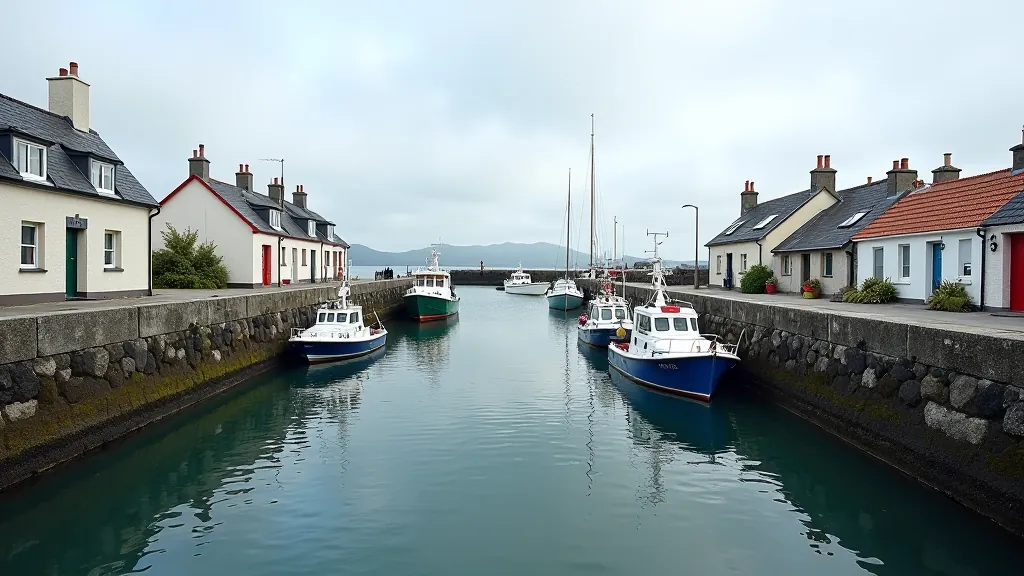
From Kilmore Quay's colourful fishing boats to the weathered cliffs facing the Saltee Islands, every detail tells you something. The routes we walk today follow paths that fishermen used for hundreds of years. Understanding this history makes your walk feel like you're genuinely connecting with the place, not just passing through.
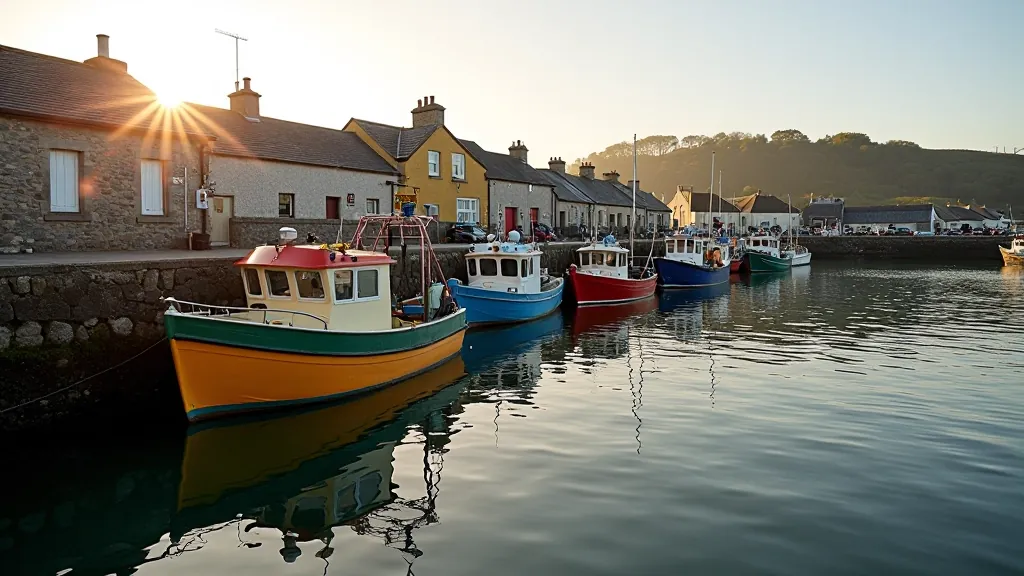
Kilmore Quay didn't develop by accident. In the 17th and 18th centuries, fishing became the lifeblood of Wexford's coastal communities. Families invested everything in boats and nets. They built harbours from stone, created safe anchorages, and developed systems to preserve and trade fish. It's not romantic history — it's practical, hard-working history.
What you see today in Kilmore is actually a carefully preserved example of this era. The thatched cottages that now attract visitors were originally homes for fishing families. The narrow lanes between them allowed quick access to boats and the quay. When you walk through those lanes, you're following the exact same paths people walked 300 years ago.
Key fact: Kilmore Quay has been continuously occupied for over 400 years, with fishing as the primary occupation for most of that time. The village layout you see today is virtually unchanged from the 1700s.
This article is provided for educational and informational purposes. While we've carefully researched the historical facts and details presented, this guide aims to enhance your understanding of the region's maritime heritage and encourage further exploration. For specific historical queries or academic research, we recommend consulting the Wexford County Council archives or local heritage organizations.
During your walks, you'll come across several landmarks worth understanding. Each one has a specific story and purpose. They're not just old buildings or structures — they represent decisions people made about how to live and work on this coast.
Built in stages from the 1600s onwards, these stone walls were engineered to protect boats and allow safe loading of catch. The different stone types and masonry styles you'll notice reflect different construction periods and repairs.
These two small islands were used as fishing stations and later as a private estate. The viewpoint gives you perspective on why fishermen valued this location — clear water, good approach routes, and natural shelter from certain weather patterns.
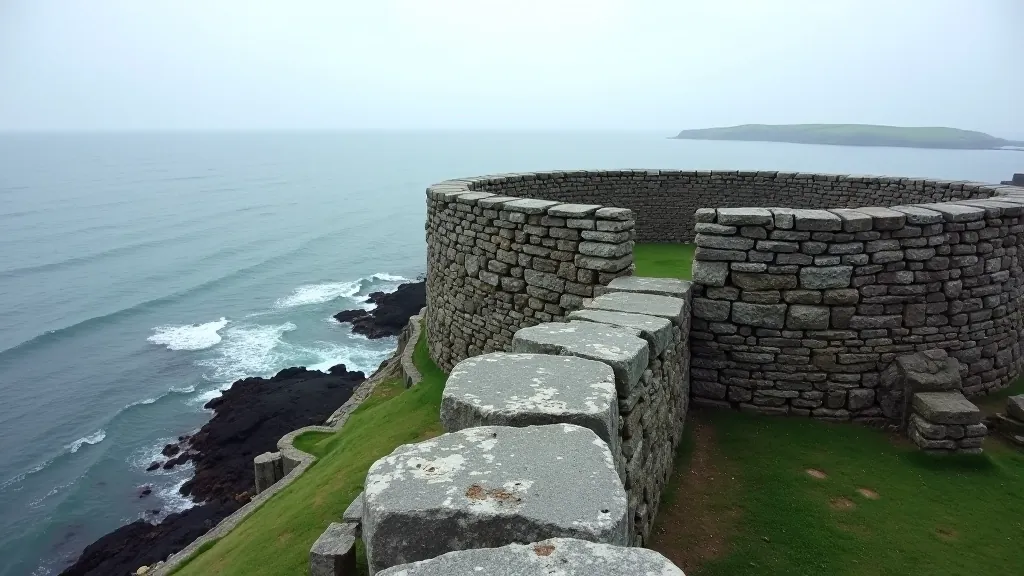
These aren't decorative. Walls marked property boundaries, created windbreaks for settlements, and in some cases served defensive purposes. The construction methods vary — some are dry stone, others are mortared — indicating different time periods.
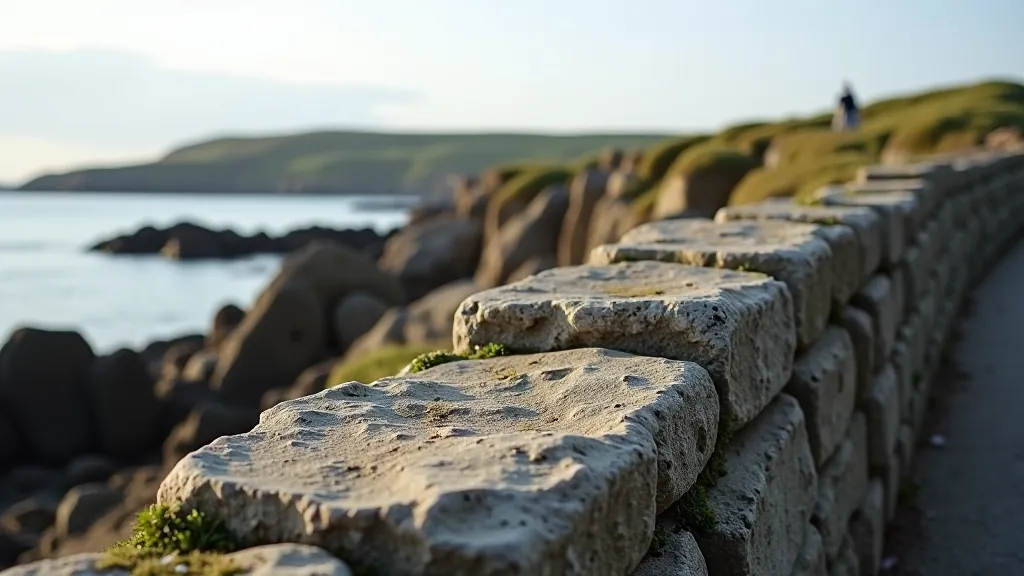
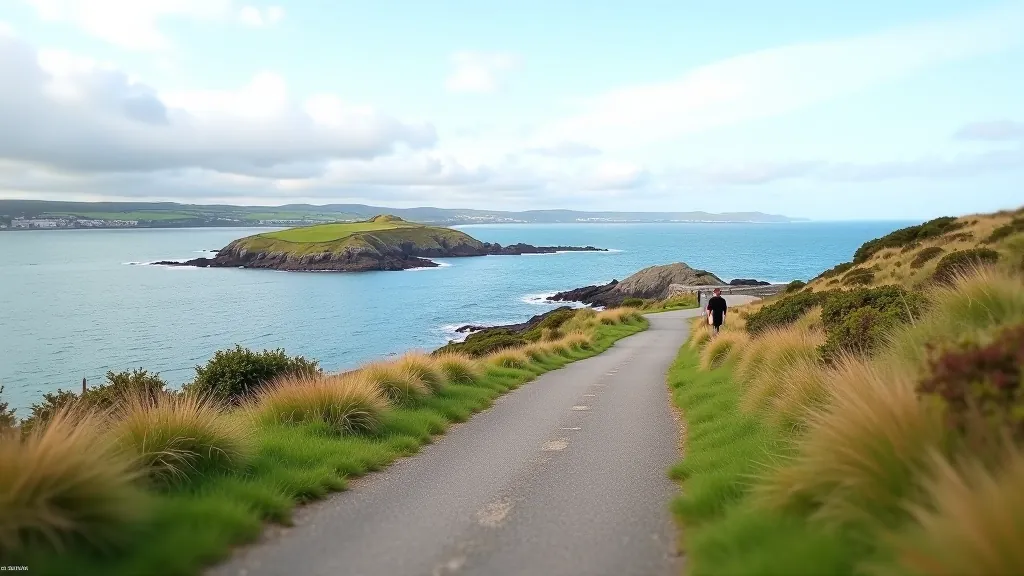
When you know the stories behind what you're seeing, the walk transforms. You're not just moving along a scenic path — you're actually witnessing evidence of how people lived, worked, and built communities. That weathered stone wall? Someone constructed it with purpose. Those narrow lanes? They're designed exactly how fishing families needed them.
The beauty of walking Wexford's coast is that you can enjoy it at whatever level appeals to you. You can simply appreciate the scenery and the fresh air. Or you can dig deeper into the history, understanding the choices and challenges that shaped these places. Both approaches are valid. But knowing the history? That adds a whole dimension to the experience that makes it stick with you long after you've finished the walk.
Take your time when you visit. Stop at viewpoints. Look at the details — the stone work, the boat types, the layout of buildings. Ask locals if you meet them. They often have stories that go beyond what any guide can tell you. That's where the real connection to a place happens.